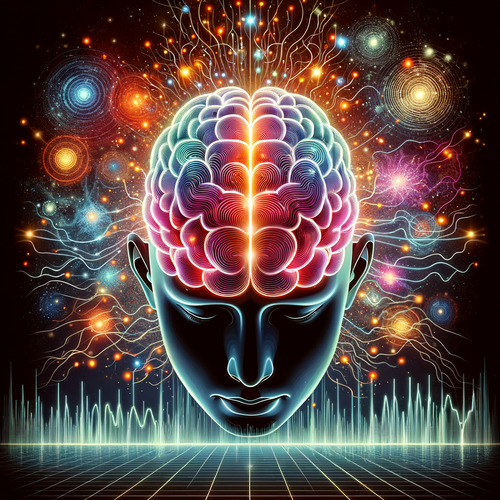
Brainwaves: The Symphony of Our Minds
Brainwaves are like the electrical music playing in our brains, a critical part of how we think and feel. When neurons, the tiny messengers in our brains, communicate with each other, they create these waves. This signal-sharing helps regulate different brain activities. Understanding brainwaves is vital, not just for scientists studying our brains but also for enhancing mental health, improving sleep, and boosting cognitive performance. In this piece, we will dive into the various types of brainwaves, their roles, their impact on our daily lives, and how we can influence them through different practices.
The Four Main Types of Brainwaves
Brainwaves can be sorted into four primary categories, based on their frequency, which is measured in Hertz (Hz).
- Delta Waves (0.5 – 4 Hz): These are the slowest brainwaves and dominate during deep sleep, crucial for restorative sleep and physical healing.
- Theta Waves (4 – 8 Hz): Linked to light sleep and deep relaxation, theta waves often spark creativity, intuition, and dreams.
- Alpha Waves (8 – 12 Hz): These waves appear when we are awake but relaxed, such as during meditation and moments of mindfulness.
- Beta Waves (12 – 30 Hz): Common when we think actively, solve problems, and focus; beta waves are tied to alertness and can even relate to feelings of anxiety.
Recognizing these different types can help enhance our cognitive abilities and overall wellness.
The Science Behind Brainwaves
Brainwaves form as neurons produce rhythmic electrical pulses that fire in harmony. Research has shown that different states of awareness correspond with unique brainwave patterns. For example, during a deep sleep state, delta waves are dominant, while beta waves take the lead when we engage in active tasks.
According to a study published in “Neuroscience Letters,” “the synchronization of neuronal firing across large networks is fundamental to the formation of brainwaves.”
This synchronization is essential for maintaining various mental states and ensuring the brain’s overall health.
Brainwaves and Mental Health
The link between brainwaves and mental health is an area of growing interest for researchers. Abnormal brainwave patterns can point to psychological issues. For instance, an excess of beta waves often relates to anxiety, while a deficiency of alpha waves can be associated with mood disorders.
Dr. John K. Goh stated in his research: “Therapies focusing on modulating brainwave activity have shown promise in treating conditions like depression and anxiety.”
Techniques like neurofeedback are being employed to help individuals adjust their brainwave patterns, offering a pathway to better mental health.
Influencing Brainwaves Through Meditation
Meditation can significantly impact brainwave activity by fostering the production of alpha and theta waves, promoting relaxation and creativity. Studies have found that regular meditation practice can lead to lasting changes in brainwave patterns.
As highlighted in the “Journal of Cognitive Enhancement,” “regular meditation practice can increase alpha waves, fostering a state of calm and reduced anxiety.”
Different forms of meditation can create varying effects on brainwaves, making it a valuable ally for mental well-being.
Brainwaves and Sleep Quality
The quality of our sleep is heavily influenced by brainwave activity. Delta waves play a vital role in deep sleep, which is essential for physical recovery and memory consolidation. Sleep disorders like insomnia can disrupt these wave patterns, leading to adverse health outcomes.
Harvard Medical School notes that “lower amounts of delta sleep can significantly impact cognitive functions and emotional regulation.”
Ensuring optimal brainwave activity during sleep is crucial for maximizing the restorative benefits vital for our daily lives.
The Future of Brainwave Research
With advancements in technology, studying brainwave patterns is becoming more intricate. Devices like EEGs enable real-time monitoring of brain activity, paving the way for new therapies and insights into brain function.
As stated in the “International Journal of Psychophysiology,” “developments in neurotechnology could revolutionize our understanding and treatment of neurological disorders.”
The implications of this research extend beyond health, impacting education, productivity, and quality of life.
Practical Applications of Understanding Brainwaves
Gaining insights into brainwaves can have practical applications in various fields, from education to sports. For example, athletes often use visualization techniques that engage alpha waves to boost performance. In educational settings, incorporating mindfulness strategies can cultivate a better learning atmosphere by optimizing brainwave states for focus and retention.
In a relevant study, it was discovered that “students practicing mindfulness showed improved test scores correlating with increased alpha wave activity.”
Understanding and harnessing brainwave patterns can lead to better results in many areas of life.
Conclusion
In conclusion, brainwaves provide a fascinating glimpse into how our minds operate. From identifying mental health challenges to boosting cognitive abilities through practices like meditation and sleep optimization, the importance of brainwave research is immense. Key takeaways include realizing that different brainwave types align with various states of consciousness and that practices like meditation can positively shape these rhythms. As we further explore the complex connections between brainwaves and behavior, the benefits for mental health, productivity, and overall well-being are profound. By leveraging our understanding of brainwaves, we can pave the path toward healthier minds and an improved quality of life.
Leave a Reply