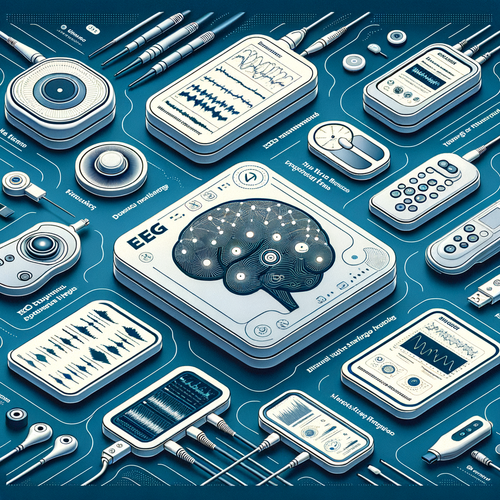
In an increasingly health-focused world, the usage of EEG (electroencephalogram) devices has surged, bridging gaps in neurological health and wellness monitoring. These devices offer insights into brain activity, making them essential for researchers, clinicians, and even fitness enthusiasts interested in mental well-being.
This blog post will explore a variety of EEG devices, comparing their features, usability, and suitability for different purposes. From consumer-grade headsets to professional-grade systems, we will discuss factors such as portability, data accuracy, and price to help you make an informed choice.
Understanding EEG Technology
The electroencephalogram (EEG) technology measures electrical activity in the brain through sensors placed on the scalp. This technology has revolutionized how we understand brain waves, enabling advancements in both clinical settings and consumer applications.
Research published in the Journal of Neural Engineering emphasizes that EEG devices can provide non-invasive insights into brain functions, paving the way for understanding sleep disorders, emotional health, and cognitive functions.
“EEG technology enables real-time monitoring of neurologic activity, making it invaluable in various fields such as medicine and psychology.”
Top Consumer EEG Devices
Among the wide array of EEG devices on the market, several stand out for their unique features and user-friendliness:
- Emotiv Epoc+: This headset offers a range of functionalities from gaming to meditation tracking, thanks to its 14-channel coverage.
- NeuroSky MindWave: Affordable and accessible, it’s ideal for beginners looking to explore EEG technology.
- Muse: Aimed at the meditation and mindfulness market, this headband utilizes EEG for a calming user experience.
The price for these devices varies based on features and functionalities, making it crucial to identify your needs before purchasing.
Professional EEG Systems
For clinical settings, professional EEG systems offer comprehensive features geared towards health monitoring and diagnostics:
- BioSemi Active 2: Known for high-quality data acquisition, it is widely used in clinical research.
- Natus Medical 32 Channel EEG: This device provides extensive channel options for detailed monitoring.
- Cadwell Easy II: Offers various modules for advanced diagnostic capabilities, making it suitable for hospitals.
These devices typically come with advanced software for data analysis and visualization, crucial for healthcare professionals.
Portability and Ease of Use
When considering EEG devices, portability becomes a key factor, especially for consumers. Many modern devices are designed to be lightweight and easy to use:
- Emotiv Insight: Wireless and compact, suitable for use on the go.
- MindWave Mobile: Bluetooth functionality allows integration with mobile apps.
Professional systems are often bulkier due to their extensive components, but they provide more precise measurements.
Data Accuracy and Reliability
Data quality and accuracy greatly vary among EEG devices. Consumers should ensure the device meets their needs for reliable data:
- Emotiv Epoc+: Known for solid data accuracy in various environments.
- NeuroSky: While user-friendly, it may not provide the same level of detail as professional models.
“Accuracy in EEG readings is paramount for both recreational and clinical applications, as it determines the quality of insights drawn from brain activity.”
Price Considerations
The cost of EEG devices can range widely, from under a hundred dollars for consumer models to several thousand for professional systems. It’s essential to balance features and budget:
- Budget options: Devices like NeuroSky are suitable for casual use.
- Mid-range: Emotiv offers features that suit enthusiasts and researchers.
- High-end: Professional systems come with a price but offer unmatched capabilities and accuracy.
Evaluate what you need from an EEG device, and make sure to consider both initial costs and long-term usability.
Conclusion: Choosing the Right EEG Device
In summary, the market for EEG devices is vast, catering to both consumers and professionals. The choice boils down to understanding your specific needs, whether that’s casual monitoring, in-depth research, or clinical diagnosis.
Key Takeaways: Identify the primary purpose of your EEG device—be it for gaming, meditation, or medical use. Evaluate factors such as portability, data accuracy, ease of use, and price before making a purchase.
As technology in the EEG space continues to advance, keeping abreast of updates and product releases will ensure you have the best tools at your disposal for understanding brain health.
Leave a Reply