The human brain operates like an intricate orchestra, each part playing its own unique tune in a symphony of electrical impulses. Recently, advancements in technology have allowed us to not only hear but also understand these brain waves, leading to groundbreaking innovations such as real-time brain-wave feedback. This concept, often used in neurofeedback therapy, has gained popularity as a powerful instrument for personal growth, stress relief, and enhancing mental health. By learning how this technology operates and the various audio options available, individuals can tap into their mental states like a musician tuning their instrument.
Understanding the Mechanics of Brain-Wave Feedback
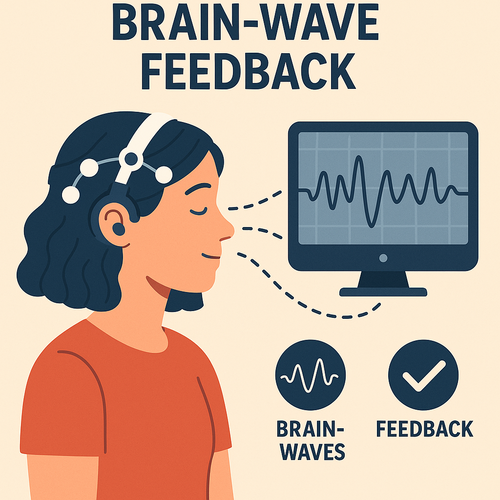
Real-time brain-wave feedback works by using electroencephalography (EEG), which monitors electrical activity within the brain. EEG devices are like tiny detectives; they consist of electrodes placed on the scalp that pick up voltage changes caused by the flow of ions in neurons. This information is then analyzed by sophisticated algorithms and returned to the user almost instantly.
Research has shown that interacting with brain-wave feedback can improve conditions such as anxiety, depression, and ADHD. According to a study published in The Journal of Neurotherapy in 2016, participants who underwent neurofeedback training experienced notable improvements in their attention and emotional control.
Discovering the Different Types of Brain Waves
Brain waves can be sorted into various categories according to their frequency, measured in hertz (Hz). The main types include:
- Delta waves (0.5 – 4 Hz): Present during deep sleep and states of unconsciousness.
- Theta waves (4 – 8 Hz): Linked to light sleep, relaxation, and creativity.
- Alpha waves (8 – 12 Hz): Indicate calmness and relaxation.
- Beta waves (12 – 30 Hz): Associated with active thinking and problem-solving.
- Gamma waves (30 Hz and above): Concerned with higher-level cognitive processes.
Using specialized software, real-time brain-wave feedback encourages users to cultivate specific brain states, facilitating enhanced focus, relaxation, or emotional regulation.
The Role of Audio Feedback in Neurofeedback
Audio feedback is a crucial component of real-time brain-wave feedback systems. This auditory reinforcement often includes an array of soundscapes or music specifically designed to correspond with the user’s brain activity. For instance, when a user relaxes and their alpha waves increase, soothing music or sounds of nature may be played, adding another layer to their experience.
In neurofeedback sessions, audio options can greatly vary, including:
- Binaural Beats: Playing two slightly different frequencies in each ear to promote a meditative state.
- Nature Sounds: Melodies of rain, forests, or ocean waves that help create a calming atmosphere.
- Guided Meditation: Audio that navigates users through meditation exercises, boosting relaxation and focus.
- Lo-fi Music: A genre used during focus sessions, typically featuring minimal distractions.
A study in The Journal of Cognitive Neuroscience found that combining specific auditory stimuli with neurofeedback sessions can significantly enhance attention and memory.
Interactive Soundscapes: Engaging Your Senses
Modern neurofeedback programs frequently offer interactive soundscapes that adjust in real-time according to the brain’s activity. These soundscapes change dynamically, either intensifying or softening in complexity as users navigate their mental states. This immediate feedback loop encourages individuals to gain better control over their brain functions.
For example, users may hear a rising crescendo in sound as they boost their beta wave activity, providing an encouraging auditory signal to stay focused. This interactive element often leads to increased engagement and satisfaction.
Why Soundscapes Matter in Neurofeedback
Integrating soundscapes into neurofeedback not only enhances the understanding of personal mental states but also enriches the therapeutic experience as a whole. Sound has a powerful effect on brain chemistry and emotions.
Research published in Psychological Science suggests that rhythmic auditory stimuli, such as music, can provoke emotional responses and improve mood, aligning perfectly with the goals of brain-wave feedback therapies.
Finding the Right Soundscapes
When choosing soundscapes for brain-wave feedback, individuals should consider their personal tastes and therapeutic aims. Some may need soothing soundscapes for relaxation, while others might prefer lively rhythms to enhance focus.
The ideal combination of sound and real-time feedback can boost the therapy’s effectiveness, leading to significant transformations in mental states over time.
The Future of Brain-Wave Feedback
The continued advancement of brain-wave feedback technologies points to a promising new era in mental health treatment and personal development. As technology progresses, the potential to create more immersive audio experiences tailored for individual needs grows.
This change opens exciting pathways for both practitioners and clients, paving the way for innovative treatment methods that blend neuroscience with personalized sound experiences.
Conclusion
Real-time brain-wave feedback stands out as a groundbreaking instrument for self-improvement and mental health management. By harnessing EEG technology, individuals can gain insights into their mental states and influence their brains with targeted soundscapes and audio feedback.
As we can see, the interplay between brain activity and sound offers invaluable tools for enhancing cognitive function, emotional well-being, and overall mental health. The array of sound options—ranging from the soothing sounds of nature to the captivating tones of binaural beats—reminds us how profoundly sound influences our mental states. Embracing real-time brain-wave feedback might just be the key to unlocking greater self-awareness and mental resilience.
Leave a Reply