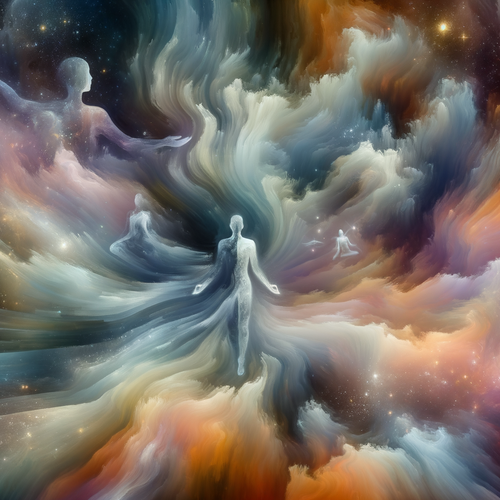
In a world that often prioritizes physicality, the idea that our identity goes beyond our bodies is both deep and vital. Many people grapple with self-worth primarily tied to their physical appearance, leading to the mistaken belief that one’s value depends only on their looks. However, recognizing that we are more than just our bodies can help us forge a deeper connection with our true selves and those around us.
This exploration of identity touches on spirituality, mental health, and philosophical discussions about existence. In this article, we will dive into various angles of this concept, including the mind-body connection, spirituality, emotional intelligence, societal perceptions, personal growth, and the pursuit of inner peace.
The Mind-Body Connection
The relationship between our mind and body is a topic that has been widely researched. Studies have shown that our mental state has a huge impact on our physical health. Research indicates that people who engage in practices that promote mindfulness and emotional well-being, such as meditation and yoga, enjoy better health outcomes. A study published in the journal Health Psychology reveals that stress and anxiety can manifest physically, triggering a cycle of discomfort that further harms our self-image.
Understanding that our thoughts and emotions can affect our bodies empowers us to build a healthier self-image and prioritize our mental health. By becoming aware and focusing on nurturing our minds, we can reduce the obsessive focus on our physical appearance.
The Role of Spirituality
Spirituality plays a crucial role in helping us understand ourselves beyond the physical world. Many individuals find comfort in spiritual practices that highlight the importance of the soul or spirit, which remains unchanged despite any physical changes. As the esteemed author Deepak Chopra states,
“The body doesn’t make the self; it is where the self resides.”
Embracing spirituality helps us realize that our essence goes far beyond our physical forms.
Spirituality fosters unity, purpose, and a sense of community, enabling people to connect with their true selves and others in meaningful ways. In this context, embracing our spirituality is vital for recognizing our complex identity.
Emotional Intelligence
Emotional intelligence (EI) is key to understanding our identity as more than just our physical selves. EI involves the ability to recognize, understand, and manage our emotions, resulting in healthier relationships and deeper self-awareness. Daniel Goleman, the author of Emotional Intelligence, notes,
“In a very real sense, we have two minds, one that thinks and one that feels.”
This statement emphasizes how our emotional experiences influence our identity.
By enhancing our emotional intelligence, we can better communicate and connect with others, creating a sense of belonging and value that transcends mere appearances. Developing EI can deepen our understanding of ourselves and help us appreciate the inner qualities that truly define us.
Societal Perceptions of Identity
The societal obsession with physical appearance can feel overwhelming, often pressuring individuals to conform to unrealistic beauty standards depicted by media and culture. This external pressure challenges us to distinguish between social narratives and our true inner selves. Questioning these societal perceptions and redefining self-worth enables people to cultivate self-acceptance.
Shifting societal norms requires collective effort, as embracing diversity and challenging stereotypes allows individuals to celebrate their unique identities. By debunking harmful stereotypes, we can encourage a culture where individuality flourishes over physical conformity, resulting in a broader definition of beauty.
Personal Growth and Self-Awareness
Personal growth is deeply connected to understanding ourselves beyond physical attributes. Engaging in self-reflection, setting intentions, and following passions can lead to significant transformations. As we explore our interests and values, we reveal layers of our identities that go far beyond our appearances.
Challenging ourselves to learn new things and step outside our comfort zones often leads to clarity, bringing us closer to our authentic selves. Embracing personal growth opens pathways to self-discovery and fulfillment, allowing us to better understand who we are at our core.
Pursuing Inner Peace
The journey towards recognizing our identity beyond our physical forms culminates in the quest for inner peace. Achieving tranquility involves releasing self-judgment, accepting imperfections, and allowing ourselves to be vulnerable. As Mahatma Gandhi wisely said,
“Happiness is when what you think, what you say, and what you do are in harmony.”
Finding inner peace also emphasizes resilience and self-compassion. Through practices like mindfulness and gratitude, we can build a solid foundation that values our whole being, both inside and outside.
Conclusion
Realizing we are more than just our physical bodies opens doors to personal growth, deeper connections, and fulfillment. Our identities include mental health, spirituality, emotional intelligence, and social interactions. By nurturing our inner lives, we detach from superficial perceptions, leading to a richer understanding of existence.
As we challenge societal norms and embrace our authentic selves, we foster an environment of acceptance, love, and resilience. It is crucial to remember that our true value lies in who we are at our essence, allowing us to thrive and connect with others on a deeper level. Celebrating our multifaceted identities nurtures a spirit of unity and shared humanity, emphasizing that we are indeed more than just our physical bodies.
Leave a Reply