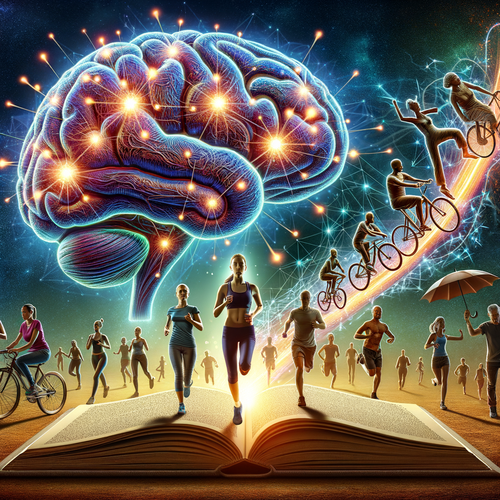
Did you know that engaging in regular physical activity can significantly enhance your brain function? Numerous studies have shown a strong correlation between physical fitness and cognitive performance. As we age, the importance of maintaining both physical and mental agility becomes paramount. Physical activity not only helps to keep our bodies fit but also plays a crucial role in how well our brains function.
This blog post will explore the fascinating relationship between physical activity and brain function, covering topics such as the science behind neuroplasticity, the effects of exercise on mood and cognitive skills, and practical tips for incorporating movement into daily life.
The Science of Neuroplasticity
Neuroplasticity refers to the brain’s ability to reorganize itself by forming new neural connections throughout life. According to neuroscientist
Dr. David Eagleman
, “Neuroplasticity is the process that allows our brains to adapt and change as we learn and experience new things.” Physical activity fosters neuroplasticity by enhancing blood flow to the brain, which increases oxygen and nutrient delivery.
Research indicates that aerobic exercises, such as running and cycling, promote the release of brain-derived neurotrophic factor (BDNF), a protein that supports neurons’ survival and growth. A study published in
Neuroscience & Biobehavioral Reviews
found that individuals who engaged in regular aerobic exercise showed significant improvements in memory and learning capabilities.
Improved Mood and Reduced Anxiety
Exercise is not only beneficial for physical health but also crucial for emotional wellbeing. According to the
American Psychological Association
, physical activity can effectively reduce symptoms of depression and anxiety. When we exercise, our bodies release endorphins, which are neurotransmitters that act as natural painkillers and mood elevators.
The endorphin rush often associated with physical activity is commonly referred to as the “runner’s high”. This euphoric feeling can improve overall emotional health, making individuals more resilient to stress and better equipped to handle everyday challenges. An ongoing commitment to physical activity can also lead to a decrease in overall anxiety levels, further enhancing brain function and performance.
Enhanced Cognitive Skills
Regular physical activity has been linked to enhanced cognitive functions, including improved attention, processing speed, and memory retention. A meta-analysis in the journal
Psychological Bulletin
highlighted that physical activity positively impacts cognitive performance in both children and adults.
For example, children who engage in moderate to vigorous physical activity have shown improved attention spans and academic performance. Similarly, older adults who maintain an active lifestyle have been found to have a lower risk of cognitive decline. This systematic engagement in physical activities not only enhances daily functioning but also aids in preserving cognitive abilities as one ages.
Incorporating Physical Activity Into Daily Life
Incorporating regular physical activity into your daily routine doesn’t have to be daunting. Here are some practical tips:
- Set Realistic Goals: Start with small, achievable targets that align with your fitness level.
- Find Enjoyable Activities: Whether it’s dancing, hiking, or swimming, engaging in activities you love will make it easier to stay consistent.
- Stay Active Throughout the Day: Look for opportunities to move, like taking the stairs instead of the elevator or going for a short walk during breaks.
Conclusion
In summary, the evidence overwhelmingly supports the idea that physical activity plays a crucial role in enhancing brain function. Through neuroplasticity, improved mood, cognitive skills, and overall mental resilience, regular engagement in exercise can lead to substantial cognitive benefits. As we continue to explore the intricate connections between our body and brain, it becomes increasingly clear that prioritizing physical activity is not just a choice but a necessity for optimal brain health.
So why not take that first step today? Whether it’s a brisk walk around the block or a quick workout session, recommitting to physical activity can pave the way for a sharper mind and improved well-being. Let’s gear up for healthy living and a healthier brain!
Leave a Reply