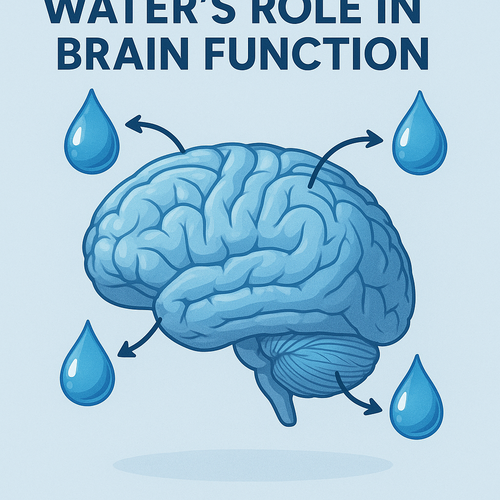
Water: The Lifeblood of Our Brains
Water is not just a basic necessity; it is the foundation of life itself. Imagine your brain as a sponge, soaking up water to work effectively. Since our brains are made up of about 75% water, staying hydrated is vital for keeping our cognitive functions sharp, boosting our mood, and enhancing overall brain health. In this article, we’ll dive into the waves of how water impacts various brain functions—like cognition and mood regulation. Understanding this connection between hydration and brain performance is essential for our well-being.
What We Will Explore
- The basics of brain structure and hydration
- How dehydration affects cognitive abilities
- The role of water in regulating mood
- Studies connecting hydration to memory and learning
- Water intake recommendations for optimal brain health
- Tips to ensure adequate hydration
Join us as we uncover the important link between water and our ability to think clearly.
Understanding Brain Structure and Hydration
The brain is a complex and intricate organ that requires a steady supply of water to function correctly. Picture water as the oil that keeps the engine running smoothly. It helps transmit electrical signals, regulate body temperature, and aids in nutrient absorption. When our brain is well-hydrated, it operates efficiently, making sure that neurotransmitters send messages effectively and communication pathways stay clear.
“The relationship between hydration and cognitive function is crucial, especially for students, professionals, and anyone engaged in mental tasks.”
A report from The Gatorade Sports Science Institute states that even mild dehydration (as little as 1-2% of body weight) can negatively affect how our brain functions.
The Effects of Dehydration on Cognitive Functions
Studies reveal that dehydration can hinder our focus, long-term memory, and short-term memory. For instance, research from The Journal of Nutrition indicates that those who were dehydrated had trouble paying attention and felt more fatigued, highlighting the importance of drinking enough water.
Additionally, dehydration can slow down reaction times and increase the likelihood of making errors. This is particularly concerning for athletes and professionals who need to think quickly and clearly. Recognizing these effects can inspire everyone to stay hydrated, especially on hot days or during intense activities.
Water and Mood Regulation
Staying hydrated not only benefits cognitive performance but also plays a significant role in our emotional health. Research shows that even slight dehydration can lead to feelings of irritability, anxiety, and a drop in overall mood. A study published in The Journal of Psychopharmacology found that people who increased their water intake reported improved moods and better cognitive performance.
This link illustrates how our physical condition is closely tied to our mental state. Simple actions like drinking water consistently throughout the day can lead to a notable improvement in mood, thus supporting our mental wellness.
Hydration, Memory, and Learning
The ability to remember information and learn new things is closely connected to how hydrated we are. Research in The Journal of Human Nutrition and Dietetics shows that hydration levels have a direct effect on short-term memory. Participants who drank enough water performed much better on memory tests than those who didn’t.
Staying hydrated also aids in information retention and recall, which can be especially beneficial during exams or important meetings. This knowledge can guide both students and professionals to consciously drink enough water.
Water Intake Recommendations for Brain Health
The general guideline suggests that men drink about 3.7 liters of water daily, while women should aim for about 2.7 liters. This includes all beverages and foods. But remember, individual needs may differ based on age, activity level, and climate. When the weather gets hot or you engage in intense activities, these recommendations might increase.
Being mindful of hydration not only supports physical performance but also enhances mental sharpness—especially important for anyone wanting to thrive in their mental endeavors. Tools like apps to track water intake or maintaining a hydration schedule can help.
Strategies to Ensure Adequate Hydration
Adopting practical strategies can make hydration a priority in daily life. Start by carrying a reusable water bottle to encourage sipping throughout the day. Setting specific goals or reminders can also be an effective way to maintain your water intake.
Incorporating hydrating foods, such as fruits and vegetables, can further support hydration. Items like watermelon, cucumbers, and oranges not only provide hydration but also deliver nutrients essential for brain health. As we adopt these habits, we can better prioritize our cognitive functions and overall well-being.
In Conclusion
In summary, hydration plays a critical role in brain function and overall mental health. The impacts of dehydration on cognition, mood, memory, and learning show us that water is far more than just a basic need; it is a vital ingredient for optimal brain performance. To unlock our full cognitive potential, making sure we drink enough water should be a daily priority.
By implementing simple strategies for adequate hydration, we can experience significant boosts in cognitive performance and emotional health. Let’s take a moment to recognize the powerful connection between hydration and mental clarity, and commit to prioritizing our water intake for a healthier and sharper mind.
Leave a Reply