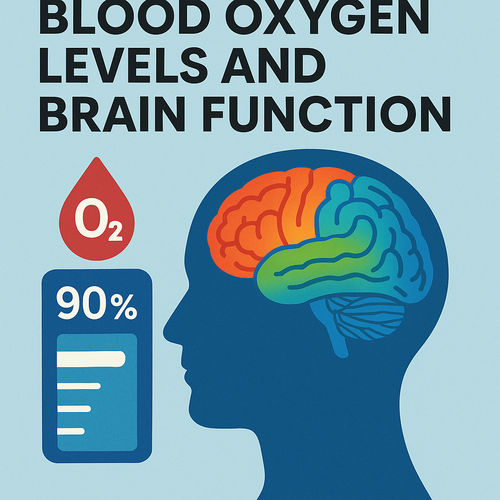
Maintaining optimal blood oxygen levels is crucial for overall health, but did you know that these levels have a significant impact on brain function? Oxygen is essential for the brain, as it relies on this vital gas to produce energy and function effectively. When blood oxygen levels fall below normal, the brain can experience a range of issues that may manifest as cognitive decline, mood changes, or serious neurological conditions. Understanding this relationship is essential for promoting brain health and improving quality of life.
In this article, we will explore the importance of blood oxygen levels, how they affect brain function, the consequences of low oxygen levels, and steps to maintain optimal levels for better cognitive health. We will cover the following points:
- The Basics of Blood Oxygen Levels
- How Oxygen is Transported in the Body
- Effects of Low Oxygen on the Brain
- Cognitive Decline and Oxygen Deficiency
- Signs of Low Blood Oxygen Levels
- Improving Oxygen Levels for Brain Health
The Basics of Blood Oxygen Levels
Blood oxygen levels refer to the amount of oxygen carried in the blood, vital for all bodily functions. Generally, these levels are measured as a percentage of hemoglobin that is saturated with oxygen. A normal range is typically between 95% and 100%. Any drop below 90% can indicate potential health issues.
According to the World Health Organization, maintaining adequate blood oxygen levels is essential for preventing complications that may arise from oxygen deprivation.
How Oxygen is Transported in the Body
Oxygen is primarily transported from the lungs to the tissues through red blood cells. Hemoglobin is the protein in red blood cells that binds to oxygen, allowing it to be transported efficiently throughout the body. When you breathe in, oxygen enters the lungs and diffuses into the bloodstream, where it is picked up by hemoglobin. This complex system ensures that various organs, including the brain, receive the necessary oxygen to function effectively. A study published in the American Journal of Respiratory and Critical Care Medicine highlights the critical role of hemoglobin in maintaining oxygen levels.
Effects of Low Oxygen on the Brain
Low blood oxygen levels, known medically as hypoxemia, can have various effects on the brain. Insufficient oxygen supply can lead to mental confusion, lack of focus, and reduced cognitive abilities. The brain is particularly vulnerable to oxygen deprivation because it consumes approximately 20% of the body’s total oxygen supply despite only accounting for about 2% of body weight. Research indicates that prolonged hypoxemia can result in irreversible brain damage and neurodegenerative diseases.
Cognitive Decline and Oxygen Deficiency
Cognitive decline is a common consequence of chronic low blood oxygen levels.
Studies show that individuals with consistently low oxygen saturation face higher risks of developing dementia and similar cognitive impairments.
One study published in the Journal of Neurology found that low blood oxygen levels correlated with faster cognitive decline among older adults, emphasizing the importance of monitoring and maintaining oxygen levels for brain health.
Signs of Low Blood Oxygen Levels
Recognizing the signs of low blood oxygen levels is crucial for prompt intervention. Key symptoms may include shortness of breath, confusion, lack of coordination, rapid heartbeat, and changes in skin color (often appearing bluish). If someone experiences these symptoms persistently, it’s advisable to seek medical evaluation. They may require testing to determine their blood oxygen levels, typically measured through a pulse oximeter or arterial blood gases.
Improving Oxygen Levels for Brain Health
Fortunately, there are several lifestyle changes that can help improve blood oxygen levels. Engaging in regular physical activity enhances lung capacity and circulation, promoting better oxygen uptake. Nutrition also plays a critical role; foods rich in iron, such as spinach and beans, can improve hemoglobin levels, aiding oxygen transport. Moreover, ensuring an environment with good air quality and practicing deep breathing techniques can maximize oxygen intake, contributing to better brain function.
Conclusion
In conclusion, maintaining optimal blood oxygen levels is critical for preserving brain health and function. The brain’s dependence on oxygen underscores the importance of monitoring these levels, especially in individuals at risk of hypoxemia. Through appropriate interventions, lifestyle changes, and awareness of symptoms, one can minimize the risks associated with low blood oxygen levels. Remember, a healthy brain begins with adequate oxygen supply, which can significantly enhance cognitive capabilities and overall well-being.
Leave a Reply