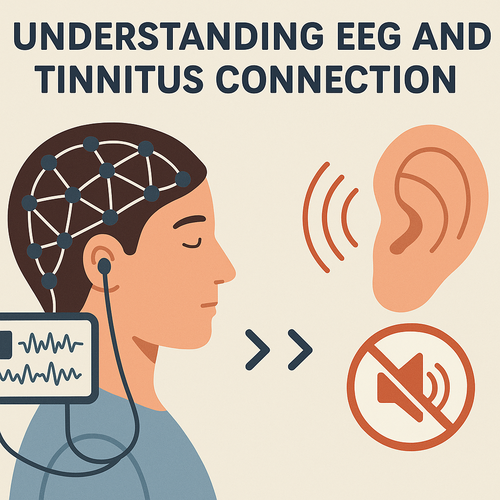
Tinnitus is like an uninvited guest in your mind, bringing along sounds that only you can hear, such as ringing or buzzing. This condition isn’t just a quirk; it affects millions of people around the globe and can be quite distressing, making life less enjoyable. Recently, there has been a growing interest in understanding the brain’s role in tinnitus, alongside treatments that aim to manage these bothersome sounds.
How We Explore Tinnitus with EEG
Using Electroencephalography (EEG) devices is a bit like listening to the brain’s playlist. EEG picks up the electrical signals of brain activity through electrodes placed on the scalp, providing a glimpse into how tinnitus affects brain operations. This blog delves into the relationship between tinnitus and brain function as recorded by EEG devices, enlightening us about tinnitus and its management.
What is Tinnitus?
Tinnitus is a multifaceted condition, much like a puzzle made of various pieces. It’s often linked with several issues, like hearing loss or exposure to loud sounds.
According to the American Tinnitus Association, “tinnitus can significantly disrupt concentration and reduce the quality of life.”
To tackle tinnitus effectively, it’s important to grasp not just the sound perceived in the ear but also how the brain processes that sound, giving rise to the unique experience of tinnitus.
How EEG Works
EEG is akin to a weather report for brain activity, capturing rapid electrical firing. This enables researchers to decode the brain’s condition during sensory perception, especially the auditory experiences tied to tinnitus. Studies reveal that EEG signals can differ greatly between those with tinnitus and those without.
Key Findings from EEG Studies on Tinnitus
A variety of research has used EEG to explore tinnitus. A key discovery is that individuals with tinnitus often display altered patterns of brain activity, particularly in the delta and gamma frequency bands.
A study published in the journal Neuroscience Letters noted that “patients with tinnitus displayed increased gamma band activity, suggesting heightened cortical excitability.”
Such findings help illuminate the neurophysiological underpinnings of tinnitus, guiding us toward potential solutions.
The Impact of Tinnitus on Brain Function
The human brain is not uniform, and tinnitus can rearrange our neural activity. Studies using functional magnetic resonance imaging (fMRI) have shown that areas responsible for processing sound may become overactive. This hyperactivity could be linked to the loudness and severity of one’s tinnitus, as many report increased distress alongside changes in their EEG results.
How EEG Data Relates to Tinnitus Management
Insights from EEG research on tinnitus can inform therapeutic strategies. For instance, neurofeedback techniques can help patients learn to adjust their brain’s activity, potentially reducing negative experiences associated with tinnitus.
As noted by the Journal of Neurotherapy, “neurofeedback has shown promise in treating chronic tinnitus by improving patients’ control over their brain activity.”
These innovative techniques could revolutionize how we manage tinnitus, moving beyond simply masking the sounds.
Challenges and Future Directions
Although EEG has offered valuable insights, it comes with challenges. Interpreting data can be a complex task, requiring various clinical evaluations and advanced techniques. Additionally, tinnitus is highly individual; what proves successful for one person may not work for another. Continued research is essential to uncover the subtleties of EEG findings across different types of tinnitus presentations.
Conclusion
Tinnitus remains a formidable challenge for many, affecting their quality of life. By harnessing technological advances like EEG, researchers are piecing together the intricate ways this condition impacts brain function. This knowledge opens doors to innovative treatments, steering away from conventional methods to more personalized approaches. In summary, EEG studies hold the promise of not only deepening our understanding of tinnitus but also enhancing treatment options for those affected. As our knowledge of the brain grows and technology advances, the potential for effective management of tinnitus becomes more promising.
Leave a Reply