Understanding the Importance of Oxygen for Brain Health
Grasping how our bodies function is essential for maintaining overall health. One often overlooked aspect is the crucial role of blood oxygen levels, especially in relation to brain function. The brain demands a hefty portion of the body’s oxygen supply, making it particularly sensitive to fluctuations in oxygen levels. Just like how a car sputters without fuel, insufficient oxygen can cause cognitive decline, while optimal levels support clear thinking and effective functioning. In this article, we’ll examine how blood oxygen levels impact brain health, what symptoms arise from low oxygen, the effects on mental processes, and strategies to maintain healthy levels.
Chapter Overview
- The role of oxygen in brain function
- How blood oxygen levels are measured
- Symptoms of low blood oxygen
- Effects of hypoxia
- Link between oxygen and cognitive abilities
- Ways to ensure adequate oxygen levels
- Potential diseases related to low oxygen
- Conclusion and key takeaways
The Role of Oxygen in Brain Function
The brain consumes nearly 20% of the body’s oxygen despite making up just about 2% of its weight. Oxygen is like fuel for our brain, playing a vital role in producing energy through a process known as aerobic respiration. Neurons, the messengers of our brain, depend on this energy to communicate effectively, which is crucial for our thinking and movements.
Research shows that adequate oxygen levels foster synaptic plasticity—the brain’s ability to forge new connections—essential for learning and memory. Without enough oxygen, these processes can falter, leading to challenges with thinking, memory recall, and even managing emotions. A study published in the Journal of Neurophysiology illustrates how the brain is vulnerable to oxygen deprivation under various circumstances, highlighting the necessity of keeping an eye on oxygen levels.
How Blood Oxygen Levels Are Measured
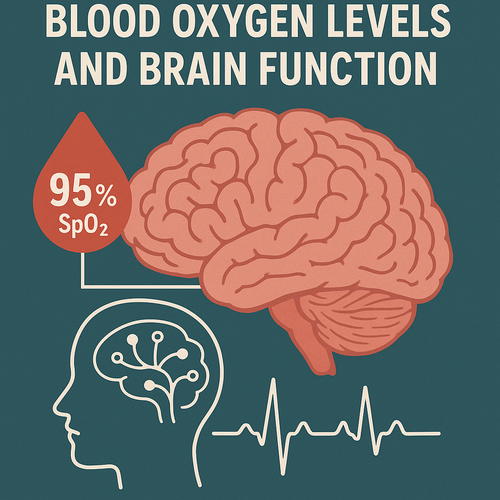
Blood oxygen levels are usually measured through a procedure called pulse oximetry. This painless method estimates the oxygen saturation (SpO2) in arterial blood, with normal levels ranging from 95% to 100%. Any levels below 90% are a cause for concern and require medical review.
Another way to assess these levels is through arterial blood gas (ABG) analysis, offering a detailed perspective on oxygen and carbon dioxide levels in the blood and overall pH balance—a critical aspect in evaluating respiratory health.
Being aware of these measurements can alert individuals to potential cognitive downturns due to low oxygen saturation.
Symptoms of Low Blood Oxygen
When oxygen levels dip, the body may exhibit several warning signs, including shortness of breath, fatigue, confusion, and headaches. If these symptoms go unchecked, they can intensify and lead to more serious issues.
In extreme cases, individuals may develop cyanosis, where the skin turns a bluish hue, signaling dangerously low oxygen levels. Recognizing these symptoms early is imperative to prevent irreversible brain damage.
Effects of Hypoxia
Hypoxia describes a state where the brain lacks sufficient oxygen. This condition can arise from various situations such as high altitudes, respiratory diseases, or anemia. Extended periods of hypoxia can lead to significant neurological problems.
Even mild hypoxia can impair cognitive functions, causing difficulties in focus and executive function. The American Journal of Respiratory and Critical Care Medicine points out that brain dysfunction due to oxygen deprivation can considerably impact health, underscoring the need for preventative actions.
Link Between Oxygen and Cognitive Abilities
A wealth of research underscores the connection between oxygen levels and cognitive performance. Enhanced oxygen availability can sharpen cognitive processing speed, while low levels may slow down problem-solving capabilities and memory retention.
For example, a study conducted by researchers at the University of Michigan found that environments rich in oxygen significantly improved cognitive performance among participants. This highlights the crucial role of oxygen in bolstering our brain’s functionality.
Ways to Ensure Adequate Oxygen Levels
To uphold healthy blood oxygen levels, several lifestyle adjustments can be advantageous:
- Regular Exercise: Engaging in aerobic activities boosts cardiovascular health, improving oxygen delivery to the brain.
- Healthy Diet: Consuming foods rich in antioxidants and vitamins enhances blood circulation and overall oxygen transport.
- Avoiding Smoking: Smoking can severely impair lung function, adversely affecting oxygen levels.
Routine check-ups are also beneficial as they can help catch potential issues before they escalate.
Potential Diseases Related to Low Oxygen
Certain ailments, such as Chronic Obstructive Pulmonary Disease (COPD), sleep apnea, and asthma, can lead to low oxygen levels, impacting brain function over time. These conditions may restrict airflow, resulting in oxygen deprivation.
Understanding and managing these health issues is crucial for maintaining cognitive health and overall well-being.
Conclusion and Key Takeaways
Ensuring adequate blood oxygen levels is vital for brain health. Recognizing the signs of low oxygen, comprehending its effects on cognitive functions, and taking proactive measures can help protect our mental health.
In summary, oxygen is not merely critical for our physical health; it equally plays a significant role in ensuring our brains operate at their best. Regular monitoring and lifestyle choices that promote oxygenation can improve mental clarity and overall health. Taking steps to enhance lung health and blood saturation can greatly affect our well-being now and in the future.
Leave a Reply