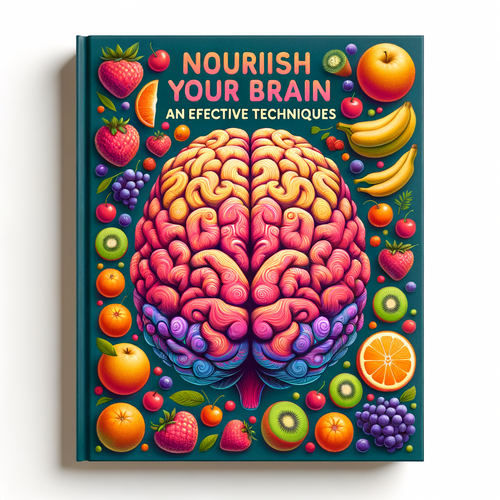
Understanding Brain Nourishment
When it comes to brain health, the importance of providing it with the right nourishment cannot be overstated. Just as our body needs food and water to function optimally, our brain requires specific nutrients to maintain cognitive function, enhance memory, and support overall mental health. Understanding how to effectively feed your brain is crucial, not only for cognitive enhancement but also for overall emotional well-being.
This article explores various techniques and foods that help nourish your brain effectively. We will discuss the benefits of antioxidants, healthy fats, vitamins, and minerals, and how they contribute to optimal brain function. Additionally, we will highlight lifestyle changes that can further enhance cognitive abilities.
The Role of Antioxidants in Brain Health
Antioxidants play a pivotal role in protecting the brain from oxidative stress, which can lead to cognitive decline. Foods rich in antioxidants, such as berries, nuts, and green leafy vegetables, can help mitigate these risks. According to a study published in The Journals of Gerontology, individuals consuming a higher amount of antioxidants experienced a slower rate of cognitive decline.
Incorporating a variety of colorful fruits and vegetables into your diet ensures a rich supply of antioxidants. Berries, particularly, such as blueberries and strawberries, are known for their neuroprotective effects.
Healthy Fats: A Brain’s Best Friend
Fats are often misunderstood, yet healthy fats are essential for brain function. Omega-3 fatty acids, found abundantly in fish like salmon, walnuts, and flaxseed, are crucial for building brain cell membranes and facilitating communication between brain cells. A review in Nature Reviews Neuroscience indicates that omega-3s may reduce the risk of developing Alzheimer’s disease.
Incorporating these healthy fats into your diet can significantly improve brain health and cognitive function. Fish oil supplements are also a popular choice for those who do not consume enough seafood.
The Importance of Vitamins and Minerals
Vitamins such as B, D, and E, as well as minerals like magnesium and zinc, are vital for brain health. They aid in energy production, neurotransmitter function, and the maintenance of neuronal plasticity. A study in Frontiers in Aging Neuroscience suggests that a deficiency in these essential nutrients can negatively impact cognitive performance.
The best sources for these nutrients come from a balanced diet rich in whole grains, legumes, and a variety of fruits and vegetables. Supplements can be considered if dietary sources are insufficient.
Hydration and Cognitive Function
Our brains are approximately 75% water, and staying hydrated is crucial for maintaining cognitive function. According to the Journal of Nutrition, even mild dehydration can impair attention, long-term memory, and overall cognitive performance.
Making a habit of drinking adequate water throughout the day is a simple yet effective way to nourish your brain. Herbal teas and infused water can also be enjoyable sources of hydration.
Physical Activity: A Boost for Brain Health
Regular physical activity is one of the most effective ways to boost brain health. Exercise promotes blood flow to the brain, stimulates the production of neurotrophins, and enhances cognitive function. A meta-analysis published in Psychological Bulletin showed that exercise positively affects learning and memory.
Even moderate exercise, such as brisk walking or dancing, can significantly enhance cognitive functioning and overall brain health. Incorporating such activities into your routine can have long-lasting benefits.
Mental Stimulation and Cognitive Engagement
To truly nourish your brain, mental stimulation is equally essential. Activities such as reading, puzzles, learning new skills, or playing musical instruments can strengthen neural connections and improve cognitive resilience. A research study from Intelligence found that engaging in mentally stimulating activities can slow the progression of cognitive decline.
Prioritizing activities that challenge your mind keeps it sharp and active. Aim to include a mix of cognitive activities into your daily routine to promote optimal brain health.
Conclusion: An Integrated Approach to Brain Nourishment
In summary, feeding your brain with the right nutrients and engaging in healthy lifestyle practices is essential for fostering optimal cognitive function. By ensuring an intake of antioxidants, healthy fats, essential vitamins, hydration, physical activity, and mental engagement, you can significantly enhance your brain health.
Ultimately, taking a holistic approach to brain nourishment will not only improve cognitive abilities but also contribute to overall well-being. Make conscious choices that prioritize your brain’s nutritional needs and lead to a healthier, more vibrant life.
Leave a Reply