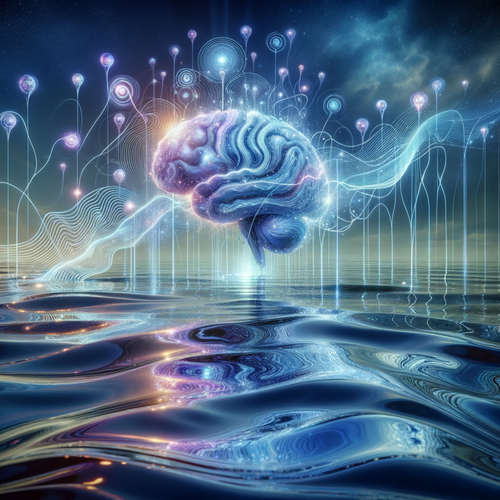
The intersection of brainwaves and water stimulation is a fascinating topic that has caught the attention of both the scientific and wellness communities. Brainwaves, which are the electrical impulses in our brains, are typically studied concerning our mental states. On the other hand, water stimulation refers to methods often used in therapeutic and relaxation practices. By understanding how these two concepts interact, we can uncover meaningful insights into our cognitive function, relaxation, and overall well-being.
This blog post will explore various aspects of brainwaves and water stimulation, starting from the basic understanding of brainwaves, to the different types of water stimulation techniques. We will discuss their benefits and how they can be practically applied in clinical settings and personal wellness routines. By the end, you’ll gain a comprehensive understanding of how these elements intertwine and their positive impact on mental health.
Understanding Brainwaves
Brainwaves are categorized into several types based on their frequency: Delta, Theta, Alpha, Beta, and Gamma. Each type is linked to different states of consciousness, cognitive functions, and emotional states. A study published in
The Journal of Neuroscience
highlights that brainwaves are crucial in shaping our thoughts and emotions, with Alpha waves being associated with relaxation and Beta waves with active thinking.
The importance of brainwaves in wellness discussions is amplified by the rising interest in neurofeedback techniques, which let individuals observe their brainwave patterns. By training their brains, people may enhance their mental clarity and manage their emotions better.
The Science Behind Water Stimulation
Water stimulation includes various practices like hydrotherapy, flotation tanks, and even sound frequencies in water. Hydrotherapy uses water to alleviate discomfort and promote physical and mental health through techniques like immersion, steam therapy, and whirlpool baths.
According to research from the
International Journal of Aquatic Research and Education
, water therapy can lower cortisol levels, which is a stress hormone, and enhance relaxation. These therapies are particularly beneficial for individuals dealing with anxiety, helping them reach a calmer state and promoting mental well-being.
How Brainwaves Respond to Water Stimulation
Bringing together brainwaves and water stimulation opens doors to exciting therapeutic possibilities. For example, listening to calming sounds while submerged in water can trigger Alpha brainwaves, fostering relaxation. A study revealed that participants felt less anxious when they listened to soothing music in flotation tanks, showing that sensory experiences can influence brain activity positively.
Moreover, neuroimaging studies indicate that certain water-related activities can positively affect brainwave patterns. Being aware of our surroundings and sensations while engaging with water can lead to a meditative state, which has significant implications for managing stress.
Practical Applications of Combining Techniques
The combination of brainwave training and water stimulation can be seamlessly integrated into wellness routines. Simple practices, such as meditating in a warm bath, can enhance the calming effects of water while harnessing Alpha waves.
Many wellness centers now offer programs that combine these techniques for increased mental health benefits. Using tools like binaural beats, which introduce specific frequencies to influence brainwaves, can be effectively done while floating in water, maximizing therapeutic effects.
Guidelines for Enhancing Personal Practices
For those interested in the benefits of combining brainwave modulation and water stimulation, consider these tips:
- Create a soothing environment: Opt for calming colors and dim lighting.
- Utilize sound: Incorporate calming music or nature sounds for added relaxation.
- Practice mindfulness: Focus on your breath and feel the water’s sensations on your body.
- Invest in technology: Use neurofeedback devices or apps to monitor brainwave activity.
Conclusion
The relationship between brainwaves and water stimulation presents a promising path for enhancing mental wellness. By understanding how these two elements work together, individuals can harness their combined effects to promote greater relaxation and cognitive clarity. The potential benefits are vast, from practical applications in therapeutic settings to personal wellness routines.
As research continues to evolve, the implications for improving mental health through accessible techniques grow increasingly significant. Consider experimenting with these methods in your own life to uncover their transformative potential.
Leave a Reply