Introduction
Struggling to fall asleep can feel like trying to catch smoke with your bare hands. In a world where stress and anxiety are like thick fog, many find themselves tossing and turning instead of floating away to dreamland. The importance of a good night’s sleep is like the foundation of a house; it supports our physical health, mental clarity, and overall well-being. Fortunately, there are various strategies available to help individuals fall asleep faster, ranging from lifestyle changes to relaxation techniques. In this article, we will explore practical tips to enhance your ability to fall asleep quickly and effectively.
Establish a Relaxing Bedtime Routine
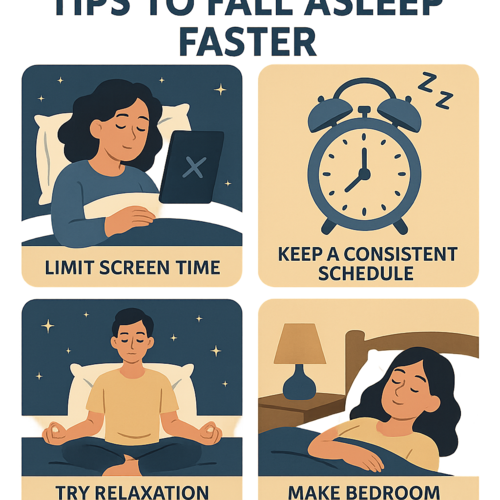
Creating a soothing bedtime routine is like laying a path for your body to follow into restful sleep. Start by engaging in calming activities—like reading a book, gentle yoga, or meditation—one hour before bed. According to the National Sleep Foundation,
“a pre-sleep routine can help ease the transition from wakefulness to sleep.”
By limiting screen time and creating a peaceful environment, you set the stage for better sleep.
Optimize Your Sleep Environment
Your bedroom should be a sanctuary that promotes restful sleep. Keep the room dark, quiet, and cool—ideally between 60-67 degrees Fahrenheit for optimal comfort. Sleep expert Dr. PhD states,
“A comfortable environment is critical for sleep, as it reduces disturbances and promotes relaxation.”
Invest in blackout curtains, earplugs, or white noise machines if necessary. A well-organized sleep space enhances both the quality and speed of falling asleep.
Limit Caffeine and Alcohol Intake
Caffeine and alcohol can be like two unwelcome guests that disrupt your slumber party. Caffeine is a stimulant, and consuming it too close to bedtime can keep you alert when you should be unwinding. Try to limit caffeine intake from the early afternoon onward. Similarly, while alcohol might make you feel sleepy at first, it can stir up disturbances as the night goes on. The Sleep Foundation warns,
“alcohol may disrupt your sleep cycle, resulting in a poorer rest.”
Practice Mindfulness and Relaxation Techniques
Mindfulness exercises, like deep breathing or progressive muscle relaxation, can serve as a soothing balm that reduces anxiety and stress. Techniques such as “4-7-8 breathing” help calm the mind and ease it into sleep. In this method, you inhale deeply for 4 seconds, hold for 7 seconds, and exhale for 8 seconds. This practice not only sharpens your focus but also lowers heart rate and prepares your body for sleep.
Engage in Regular Physical Activity
Regular exercise acts like a magic key that can unlock better sleep quality. Studies show that even 30 minutes of moderate exercise most days can help you drift off faster. Exercise increases the time spent in deep sleep, allowing your body to rejuvenate. However, avoid vigorous workouts right before bedtime, as they might energize you instead of calming you down.
Mind Your Eating Habits
The type of food you consume and the timing of your meals can also play a role in your sleep. Large meals before bedtime can be like heavy stones, making it hard to float into slumber. Opt for lighter snacks if you’re hungry. Foods rich in magnesium—like almonds, spinach, and avocados—can act as friendly helpers to promote relaxation and better sleep. Nutritionist Dr. Smith states,
“What we eat greatly influences our sleep quality and duration.”
Keeping a food journal may help identify any dietary triggers affecting your sleep.
Seek Professional Help
If you consistently struggle to fall asleep despite implementing these strategies, it may be time to consult a sleep specialist. Conditions like insomnia or sleep apnea can significantly impact sleep quality and may require treatment. Healthcare professionals can provide valuable insight and tailored approaches to address specific sleep issues.
Conclusion
In conclusion, falling asleep faster requires a combination of lifestyle adjustments and relaxation techniques. By establishing a calming routine, optimizing your sleep environment, and being mindful of your diet and activity, you can considerably improve your sleep quality. Remember: good sleep is the bedrock of a healthy life. Don’t hesitate to seek professional help if needed—there’s no reason to endure sleepless nights.
Leave a Reply