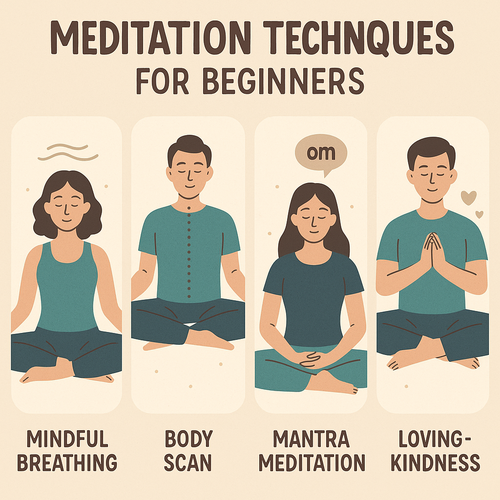
In today’s fast-paced world, meditation shines like a guiding light, offering people a necessary escape from the chaos of daily life. For those just starting out, the journey into meditation can feel like an exhilarating adventure filled with both excitement and uncertainty. Grasping the basics is essential to creating a sustainable practice that brings significant rewards such as reduced anxiety, better focus, and an overall sense of wellness. This exploration will unveil various meditation techniques crafted for beginners, shedding light on their unique aspects and effectiveness.
We’ll uncover fundamental ideas, practical techniques, and tips for staying consistent. Whether you’re searching for relaxation or a deeper connection with your inner self, embracing meditation can be a transformative journey.
What is Meditation?
Meditation is when an individual uses techniques like mindfulness or focuses their mind on a specific object, thought, or activity to cultivate attention and awareness. According to a study published in The Journal of Health Psychology, meditation has been proven to lower stress levels and improve emotional health. For beginners, it’s vital to understand that meditation isn’t about stopping thoughts but observing them without judgment.
This practice can be divided into various styles, such as mindfulness meditation, transcendental meditation, and loving-kindness meditation. Each style provides different methods and focuses, offering a range of approaches suited to different personalities.
The Benefits of Meditation
Meditation delivers a wealth of benefits that have been thoroughly researched. Regular practitioners often note improved focus, emotional stability, and heightened self-awareness. According to the American Psychological Association, even a few minutes of meditation can reduce anxiety and foster a more positive outlook on life.
Additionally, meditation can elevate your overall quality of life. By dedicating just a few minutes each day, you can enjoy benefits such as sharper concentration, better emotional management, and even improved sleep. Incorporating meditation into your daily routine lays the groundwork for personal growth and wellness.
Getting Started with Meditation
Beginning your meditation practice doesn’t require a lot of time—a mere few minutes can make a difference. The key is consistency. Creating a routine helps weave meditation into your daily life. Newcomers should seek out a quiet space, free from distractions, to kickstart their practice. It should feel like a haven that encourages relaxation.
Start with short sessions lasting around 5 to 10 minutes. Gradually increase the time as you become more familiar with the practice. You can utilize guided sessions from various mobile apps or online resources to help you focus and maintain structure.
Mindfulness Meditation for Beginners
Mindfulness meditation revolves around being present in the moment, observing thoughts and feelings without judgment. This method is especially beneficial for beginners, laying a solid foundation on which deeper meditative practices can be built.
To practice mindfulness meditation, sit comfortably, close your eyes, and concentrate on your breath. Allow thoughts to come and go without engaging. As you inhale, envision peace and calm filling your body; as you exhale, picture stress leaving your being. This practice nurtures compassion and awareness.
Breath Awareness Meditation
Breath awareness is one of the simplest forms of meditation but offers deep relaxation. Focus on your natural breathing patterns, paying attention to each inhale and exhale. Try this technique: count your breaths from one to ten, starting over at one each time your mind starts to wander. This practice trains the mind to stay present, providing an excellent starting point for beginners.
According to Dr. Richard Davidson, a prominent researcher in affective neuroscience, breath awareness can bring emotional stability. Fostering a connection with your breath helps manage stress and enhances overall mental clarity.
Setting Realistic Expectations
For newcomers, it is essential to set realistic expectations regarding meditation. Many may feel it is difficult at the outset, questioning whether they are truly meditating. It’s important to recognize that meditation isn’t about achieving perfection; it’s about the journey. Consistency outweighs duration. As you keep practicing, feelings of frustration or restlessness begin to fade away.
Being patient with your progress fuels motivation. Keep in mind that every practitioner began somewhere, and growth unfolds with time and perseverance.
Maintaining Your Meditation Practice
To sustain your meditation practice, try keeping a journal to log your experiences. This small step allows for reflection and tracking your progress, making you more accountable to yourself. Participate in local meditation classes or join online communities to connect with fellow practitioners and gain fresh insights.
Ultimately, persistence is key. Celebrate small achievements—whether it’s managing to meditate for an additional minute or feeling calmer after your sessions. Integrating meditation into your lifestyle will lead to meaningful, lasting changes.
Conclusion
Before you set sail on your meditation journey, it’s crucial to recognize that meditation is a personal endeavor tailored to suit individual needs. The techniques we’ve explored, from mindfulness to breath awareness, serve as effective starting points for beginners, allowing for a gentle introduction to this practice.
The countless advantages, including anxiety reduction, improved focus, and heightened self-awareness, can profoundly enrich your life. By setting realistic expectations and dedicating time to consistent practices, you will discover that meditation is not just a tool for relaxation but a path to a deeper connection with yourself.
As you embark on this enriching journey, remember that every breath you take in mindfulness brings you ever closer to inner peace.
Leave a Reply