Understanding Brain Fog
Brain fog is a term that captures that feeling of mental sluggishness, confusion, and a lack of clarity. Imagine trying to navigate through a thick fog; that’s what it feels like when your mind is clouded. It can be frustrating when you feel like you can’t think straight or are struggling to focus. Understanding the various causes of brain fog—ranging from lack of sleep to dietary choices—helps us approach it effectively. In this article, we will explore proven strategies to combat brain fog so you can regain mental clarity and improve your overall well-being.
The Importance of Sleep
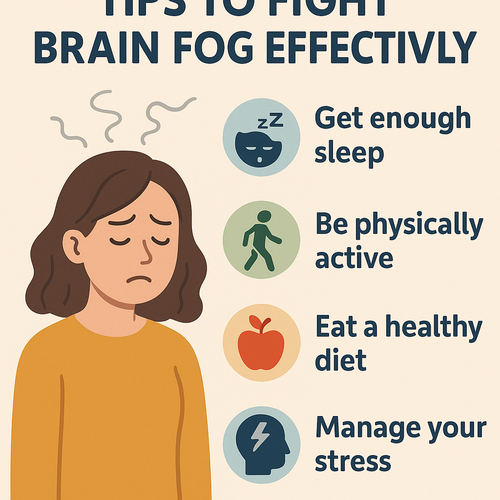
Adequate sleep is non-negotiable for cognitive function and clarity. Think of sleep as the reset button for your brain; it’s essential for keeping everything running smoothly. Studies show that insufficient sleep can impair attention and decision-making processes. Making sleep a priority can greatly reduce brain fog. Techniques such as maintaining a consistent sleep schedule, creating a relaxing bedtime ritual, and limiting screen time before bed can help improve sleep quality. According to a research study published in the Journal of Sleep Research,
“Individuals who maintain less than optimal sleep patterns report significantly higher levels of brain fog compared to their well-rested counterparts.”
Hydration: Simple Yet Effective
Staying hydrated is vital for mental clarity. Imagine your brain as a sponge; it needs plenty of water to function correctly. According to the Mayo Clinic,
“Even mild dehydration can cause problems with your thinking and mood.”
Ensuring adequate fluid intake throughout the day can combat fatigue and improve memory retention. Aim for at least 8 cups of water a day, and adjust based on your activity level and environment.
Nutrition for Brain Health
Your diet plays a significant role in brain function. Consuming nutrient-dense foods is like fuel for your brain; it needs the right ingredients to perform well. Foods rich in omega-3 fatty acids (found in fish and nuts), antioxidants (found in fruits and vegetables), and complex carbohydrates (like whole grains) can fight brain fog. A study in the journal Nutritional Neuroscience emphasizes that
“nutrient-rich diets are associated with improved cognitive function and reduced symptoms of mental fatigue.”
Keeping a balanced diet can enhance brain power and reduce the feeling of mental fatigue.
Exercise Matters
Physical activity increases blood flow to the brain, delivering oxygen and nutrients that enhance cognitive function. Think of exercise as a workout session for your brain; it strengthens neural connections and can significantly reduce mental fatigue. According to the U.S. Department of Health and Human Services, adults should aim for at least 150 minutes of moderate aerobic exercise weekly. Incorporating even short, brisk walks can make a noticeable difference in combatting brain fog.
Mindfulness and Stress Management
Stress is notorious for causing brain fog. Mindfulness techniques like meditation, yoga, and deep breathing can significantly improve mental clarity. A meta-analysis in JAMA Internal Medicine indicates that mindfulness meditation can reduce stress and enhance overall cognitive function. Incorporating even a few controlled breathing exercises daily can offer immediate relief from mental clutter.
Consulting a Health Professional
Sometimes, brain fog is a symptom of an underlying health issue, such as thyroid disorders or depression. It’s essential to consult with a healthcare provider to rule out any serious conditions. They can provide tailored advice and treatment, ensuring you tackle this challenge effectively. Regular check-ups can help monitor and maintain your overall health, which is essential in managing brain fog.
Conclusion
Brain fog can feel overwhelming, but recognizing its causes and knowing how to combat it is empowering. Improving sleep quality, staying hydrated, eating a balanced diet, exercising regularly, practicing mindfulness, and consulting with medical professionals are crucial steps in enhancing cognitive clarity. By making these lifestyle adjustments, you can reclaim focus and energy. Remember, brain fog is a common experience, and taking conscious actions to address it can lead you to feel more vibrant and productive in your daily life.
Leave a Reply