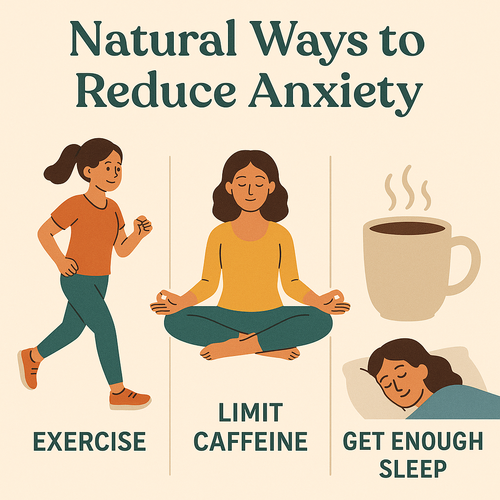
Anxiety is like a weight that many of us feel at different times in our lives. The fast pace of our modern lives, mixed with the pressures of work, relationships, and our own expectations, can make anxiety feel heavier. With mental health challenges common today, discovering effective natural remedies can be life-changing for those who seek relief without depending heavily on medication. This journey will uncover several scientifically-supported methods that naturally ease anxiety. We will look into strategies like mindfulness practices, physical activity, nutrition, herbal supplements, enough sleep, and deep breathing techniques.
Understanding Anxiety
To tackle anxiety effectively, we first need to understand what causes it. Anxiety can arise from many places: genetics, our environment, and even the chemistry in our brains. Psychologists define anxiety as a feeling of worry, fear, or unease. While it is a normal response to stress, when anxiety sticks around, it can interfere with daily life and our overall happiness. According to a report by the Anxiety and Depression Association of America, anxiety disorders are the most common mental health issues in the U.S., affecting around 18.1% of adults each year. By recognizing and understanding anxiety, we can approach its management better.
The Power of Mindfulness
Mindfulness is the art of being fully present right now and aware of our thoughts and feelings without judging them. Research in the Journal of Anxiety, Stress & Coping shows that mindfulness can significantly lower anxiety levels. Practices like meditation, yoga, and journaling are great ways to cultivate mindfulness. For example, a mindfulness therapy study found that participants had impressive reductions in their anxiety symptoms. Dedicating just a few minutes each day to mindfulness can build emotional resilience over time.
Physical Activity as a Natural Remedy
Engaging in regular physical activity is one of the most effective natural ways to relieve anxiety. It triggers the production of endorphins, the body’s natural happiness chemicals. A review in the Journal of Clinical Psychiatry found that both aerobic exercises and strength training can help reduce anxiety symptoms. Simple activities like walking, dancing, or cycling can serve as natural outlets for stress. Plus, sticking to a regular exercise routine can foster a sense of achievement and self-confidence, which also helps combat anxiety.
Nutrition’s Role in Reducing Anxiety
What we eat plays a big part in our mental health, including how anxious we might feel. Certain nutrients, like omega-3 fatty acids found in fish, walnuts, and flaxseeds, have been associated with lower anxiety levels. An article from the Journal of Nutrition showed that people who regularly ate omega-3s reported feeling less anxious. Additionally, maintaining stable blood sugar levels by eating regularly can help prevent mood swings and irritability. A balanced, nutrient-rich diet is essential for overall well-being.
Herbal Supplements
Many studies support the use of herbal supplements as effective natural remedies for anxiety. Adaptogens like ashwagandha, rhodiola, and valerian root are popular for their calming effects. A study in the Journal of Alternative and Complementary Medicine showed that ashwagandha significantly reduces stress and anxiety scores among patients. However, it is vital to consult a healthcare provider before starting any herbal regimen to ensure it is safe and effective.
The Importance of Sleep
Getting enough sleep is fundamental for emotional health. The National Sleep Foundation notes that sleep deprivation can worsen anxiety symptoms, creating a tough cycle. Establishing a healthy sleep routine promotes rejuvenating sleep. This can be achieved by sticking to a consistent bedtime, creating a relaxing sleep environment, and cutting down on screen time before bed. Putting sleep first is a crucial step in effectively managing anxiety.
Deep Breathing Techniques
Although simple, deep breathing techniques can quickly calm racing thoughts. Diaphragmatic breathing sends a signal to the brain to relax, lowering heart rate and blood pressure. A meta-analysis in the Journal of Clinical Psychology showed that these breathing methods are effective for significantly lowering anxiety symptoms. Incorporating breathing exercises, like the 4-7-8 technique, into daily routines can lead to a more mindful and less anxious way of living.
Conclusion
In conclusion, managing anxiety naturally involves a holistic approach that includes mindfulness, physical activity, proper nutrition, herbal supplements, quality sleep, and breathing techniques. Each of these strategies plays a key role in reducing anxiety symptoms and enhancing overall well-being. By understanding these methods and weaving them into our daily lives, we can reclaim our peace and effectively combat anxiety. Remember, while these natural solutions can be incredibly helpful, consulting with a healthcare professional is important when dealing with more intense anxiety issues.
Leave a Reply