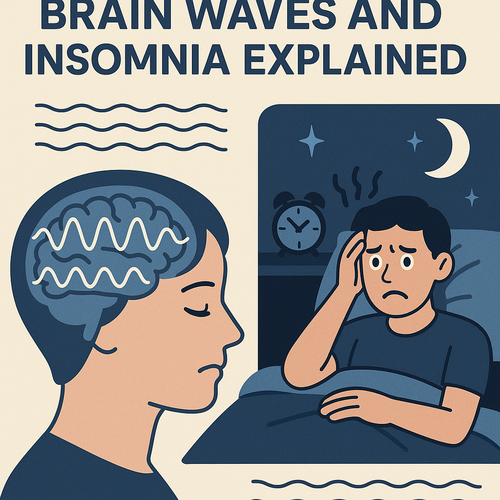
Insomnia can feel like a never-ending battle against your own mind. The struggle for a good night’s sleep is not just about counting sheep, but also about understanding the brain’s electrical signals. Brain waves, which are patterns of electrical activity in the brain, play a pivotal role in our sleep cycles and overall sleep quality. This article dives into the intricate relationship between brain waves and insomnia, highlighting the significance of various wave patterns in influencing sleep and offering insights on how to improve sleep quality by better understanding these phenomena.
In this post, we will explore the types of brain waves, their functions, how they relate to insomnia, and practical tips for harnessing their power to improve sleep. Let’s unravel the mysteries of our minds and discover how to reclaim restful sleep.
The Types of Brain Waves
Brain waves are categorized principally into five types based on their frequency, namely Delta, Theta, Alpha, Beta, and Gamma waves. Each type serves distinct functions and occurs during various mental states.
- Delta Waves: These are the slowest brain waves, present during deep sleep. Reports suggest that they aid in restorative sleep which is crucial for overall health.
- Theta Waves: Associated with light sleep and relaxation, these waves can enhance creativity and are often linked to the state just before falling asleep.
- Alpha Waves: Typically seen in calm and relaxed individuals, alpha waves are essential for reducing anxiety and promoting a good sleep environment.
- Beta Waves: These are fast waves associated with alertness and active thinking. Excessive beta wave activity can lead to stress and insomnia.
- Gamma Waves: Involved in cognitive functions and learning, but their hyperactivity can also be linked to issues with sleep.
Understanding these wave types helps us see how disruptions in these patterns can contribute to insomnia.
The Connection Between Brain Waves and Insomnia
Insomnia often manifests when the balance of brain waves is disrupted. For instance, high levels of beta waves can lead to heightened anxiety, making it challenging to enter the calming state required for sleep. Studies have shown that insomniacs frequently exhibit abnormal patterns of brain waves throughout sleep cycles.
According to a study published in the Journal of Clinical Sleep Medicine, “sleep disturbances are often correlated with shifts in brain wave patterns, particularly the increase of high-frequency beta waves during the evening.” This suggests that managing these frequencies could be key to improving sleep.
Furthermore, insufficient delta waves during deep sleep can inhibit the body’s natural restorative processes, leaving individuals feeling fatigued and irritable. Understanding this connection is essential for addressing insomnia.
How to Regulate Brain Waves for Better Sleep
Regulation of brain waves can be achieved through various methods. Techniques like meditation, yoga, and deep-breathing exercises can promote alpha and theta waves, helping to ease anxiety and facilitate a smoother transition into sleep.
- Meditation: Regular practice enhances slow-wave activity in the brain, promoting deeper and restorative sleep.
- Yoga: Specific poses can decrease beta wave activity while enhancing overall well-being.
- Deep Breathing: Takes you from the stress of the day into a more relaxed state, effectively engaging alpha waves.
Implementing these practices can encourage a healthier balance of brain wave activity, ultimately improving sleep quality.
The Role of Sleep Environment
A conducive sleep environment plays a crucial role in fostering healthy brain wave patterns. Factors such as room temperature, light, and noise levels significantly impact sleep quality.
- Temperature: Keeping the room cool can facilitate the body’s natural drop in temperature necessary for sleep.
- Light: Exposure to blue light from screens can inhibit melatonin production, directly influencing brain wave activity.
- Noise: A quiet and dark environment can promote delta wave activity, which is essential for deep sleep.
Taking control of your sleep environment is an essential step towards improving insomnia symptoms.
Diet’s Impact on Sleep Quality
Your diet can also influence brain wave patterns and sleep quality. Certain nutrients have been shown to promote healthy brain activity conducive to sleep, such as magnesium and melatonin.
- Magnesium: This mineral aids in regulating neurotransmitters that send messages to the brain and calm the nervous system, enhancing delta wave activity.
- Melatonin: Often referred to as the sleep hormone, melatonin influences circadian rhythms and has been shown to encourage alpha and delta waves.
Incorporating magnesium-rich foods, such as nuts and leafy greens, alongside melatonin-rich foods, like bananas and oats, into your diet may boost your body’s ability to achieve restful sleep.
Seeking Professional Help
If insomnia persists despite your best efforts, seeking professional help may be essential. Sleep specialists can conduct sleep studies to analyze brain wave activity and suggest personalized treatments.
Through advanced technology, professionals are able to evaluate sleep patterns and identify specific disruptions in brain waves, providing tailored solutions that address the root of the insomnia.
Conclusion
To summarize, understanding the correlation between brain waves and insomnia is essential in the quest for quality sleep. Recognizing the different types of brain waves and their roles can provide insight into potential remedies for insomnia. Regulating these waves through lifestyle modifications, a conducive environment, dietary adjustments, and professional help is not only beneficial but imperative in overcoming sleep disturbances.
By proactively addressing these factors, individuals can reclaim their sleep, enhancing health and overall quality of life.
Leave a Reply