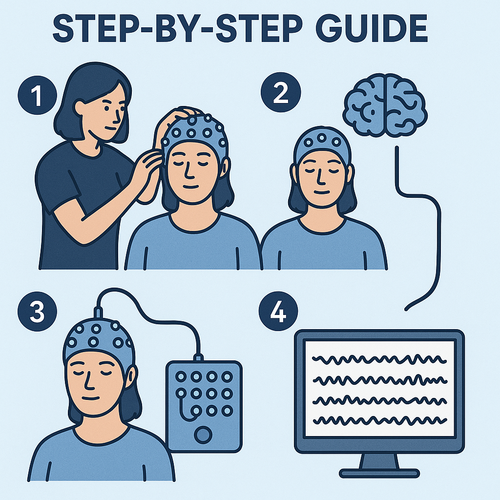
In today’s fast-paced world, maintaining focus is essential for productivity and overall well-being. Brain functions, particularly attention and concentration, can be influenced and improved through various techniques. One of the most promising methods utilizes electroencephalography (EEG) to create a custom focus protocol. This article aims to guide you through the process of building an effective focus protocol step-by-step using EEG technology.
We will discuss what EEG is, its benefits for improving focus, how to gather the necessary data, and the subsequent steps required to analyze and implement your protocol. By understanding these components, you can harness the power of EEG to enhance your focus and cognitive performance.
Understanding EEG
EEG, or electroencephalography, is like a microphone for your brain, recording its electrical activity through electrodes placed along the scalp. It captures brain waves, which are categorized into different frequency bands that correspond to various mental states:
- Delta Waves: Associated with deep sleep.
- Theta Waves: Linked to relaxation and creativity.
- Alpha Waves: Present during calm alertness.
- Beta Waves: Relating to active thinking and focus.
- Gamma Waves: Tied to high-level cognitive functioning.
Through analyzing these waves, you can determine your brain’s current state and how it correlates with focus. Research indicates that specific brain wave patterns, particularly in the beta and gamma ranges, are crucial for maintaining heightened attention and cognitive performance.
Benefits of EEG in Focus Protocols
Utilizing EEG in your focus protocol offers several substantial benefits:
- Personalization: EEG allows for tailored protocols based on individual brain wave activity.
- Real-time data: You can monitor brain activity in real-time, adjusting your techniques as necessary.
- Scientific approach: Unlike subjective methods, EEG provides quantitative data, enhancing reliability.
Each of these factors contributes significantly to the effectiveness of a focus protocol, making EEG a valuable tool for anyone seeking to boost their focus.
Gathering EEG Data
The first step in constructing your focus protocol involves gathering EEG data. Equip yourself with an EEG device, then schedule multiple sessions at times when you are likely to be either focused or distracted. During these sessions, engage in various tasks designed to test your focus, such as:
- Mental math exercises.
- Reading comprehension tasks.
- Mindfulness meditation sessions.
Once you’ve collected substantial data, you’ll be ready to analyze the impacts of different activities on your brain waves, revealing patterns that could help refine your focus protocol.
Analyzing EEG Data
After gathering EEG data, the analysis phase begins. Work closely with a neuroscientist or use specialist software to help interpret the information. Look for:
- Patterns: Identify which activities led to improved beta and gamma wave activity.
- Triggers: Note external factors such as time of day or environment that affected your concentration.
- Comparisons: Compare results with base levels of focus under various conditions.
The insights gained during this step will lay the groundwork for creating your personalized focus protocol.
Developing Your Protocol
With a clear understanding of how your brain responds to different stimuli, begin developing your focus protocol. Incorporate findings from your EEG analysis to include:
- Pre-focus rituals: Techniques that facilitate a focused mindset.
- Task management methodologies: Organize work in a manner that aligns with your mental state findings.
- Break strategies: Timely breaks that allow for mental regeneration based on your focus patterns.
The end goal is to implement a structure that enhances your ability to concentrate while also allowing for flexibility according to your daily needs.
Implementing and Testing Your Focus Protocol
Roll out your focus protocol and begin observing its effects on your productivity. It’s essential to maintain flexibility; adjust the protocol according to your ongoing EEG readings and daily experiences. Use feedback loops to continually refine it:
- Keep a journal: Record daily experiences and any changes in focus levels.
- Schedule regular EEG sessions: Monitor your progress and adapt the protocol accordingly.
- Seek feedback: Discuss your findings with peers or professionals for additional insights.
This iterative process will ensure your protocol remains relevant and effective over time.
Conclusion and Future Directions
Building a focus protocol using EEG is a dynamic and personalized endeavor. By understanding the underlying principles of EEG and applying them through a series of structured steps, individuals can develop techniques that significantly enhance their concentration and productivity. Key takeaways include recognizing the unique brain wave patterns present during focused attention and continuously tailoring protocols based on empirical data.
As research continues to evolve, we can anticipate new methodologies for improving our focus. EEG technology’s advancing capabilities promise to unlock even deeper understanding, paving the way for innovative approaches in focus training. With commitment and adaptability, anyone can achieve their desired focus goals through an informed EEG approach.
Leave a Reply