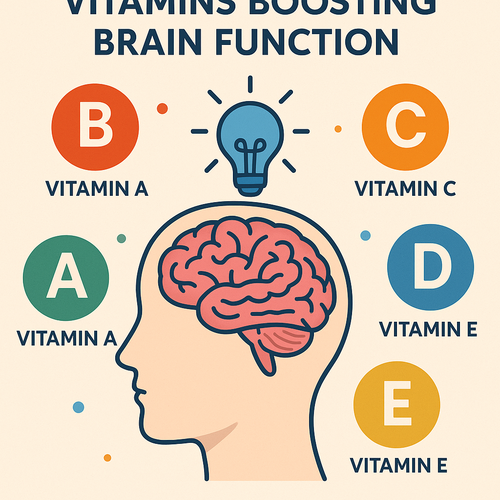
The human brain, an intricate network of neurons, is like a high-performance car that needs the right fuel to run smoothly. It requires a variety of nutrients to function at its best. Among these, vitamins play a pivotal role in keeping our brains healthy and sharp.
Understanding how these vitamins affect our brain’s performance can not only boost our mental abilities but also help prevent cognitive decline. In this article, we will explore the key vitamins essential for brain function, their specific benefits, and how to incorporate them into our diets.
Vitamin B Complex and Its Impact
The vitamin B complex consists of eight essential vitamins: B1 (Thiamine), B2 (Riboflavin), B3 (Niacin), B5 (Pantothenic Acid), B6 (Pyridoxine), B7 (Biotin), B9 (Folate), and B12 (Cobalamin). These vitamins work together like a well-orchestrated team to support energy levels, regulate mood, and enhance overall brain function.
“Vitamin B12 is essential for maintaining the health of nerve cells and produces neurotransmitters that regulate mood and cognitive functioning.”
A lack of B12 can lead to memory lapses and mood swings, underscoring the importance of including B12-rich foods like fish, meat, and dairy in our diets.
Omega-3 Fatty Acids and Cognitive Health
While they may not be classified as vitamins, omega-3 fatty acids are crucial for brain health. They are the unsung heroes that support normal brain function and behavior.
“According to the American Heart Association, omega-3s contribute to normal brain function and behavior throughout life.”
You can find these essential fats in high concentrations in fatty fish like salmon. Omega-3s help build brain and nerve cells and are associated with improved memory and mood. This explains why a diet rich in omega-3s is linked to a lower risk of neurological disorders.
Vitamin D: More Than Just the Sunshine Vitamin
Vitamin D does more than just support bone health; it plays a crucial role in brain function. Research suggests that low levels of vitamin D may increase the risk of cognitive decline.
“A study published in the Journal of Geriatric Psychiatry and Neurology stated, higher serum levels of vitamin D are associated with better cognitive performance.”
Foods rich in vitamin D include fortified dairy products and fatty fish, as well as the sunshine itself.
Vitamin E and Neuroprotection
Vitamin E acts as a powerful antioxidant. It’s like a shield against oxidative stress in the brain, which can lead to neurodegenerative diseases. Studies indicate that this vitamin can enhance cognitive performance and may slow the progression of Alzheimer’s disease.
“A large cohort study found that higher vitamin E intake was associated with a significantly lower incidence of Alzheimer’s disease in older adults.”
Sources of vitamin E include nuts, seeds, and green leafy vegetables.
Vitamin C and Brain Resilience
Vitamin C is another antioxidant that plays a critical role in brain health. It helps produce neurotransmitters like dopamine, which are vital for mood and cognitive performance. Research indicates that having sufficient Vitamin C levels may lower the risk of cognitive decline. Eating citrus fruits, berries, and peppers can boost your vitamin C intake.
The Power of Antioxidants in the Brain
Beyond vitamins, antioxidants play a crucial part in maintaining brain function. Take flavonoids found in berries, for example; they have been shown to enhance memory and cognitive skills.
“A study in the Frontiers in Nutrition observed that older adults consuming flavonoid-rich berries had better cognitive outcomes than those who did not.”
Incorporating a variety of fruits and vegetables into our diets can support brain health as we age.
How to Ensure Adequate Vitamin Intake
As we navigate the importance of various vitamins, it’s vital to think about how we can effectively incorporate them into our daily routines. A balanced diet rich in whole foods—like fruits, vegetables, lean proteins, and healthy fats—is key. For those with dietary restrictions or increased nutritional needs, supplements may also help. However, it’s always wise to consult with healthcare professionals before starting new supplements.
Conclusion
In conclusion, vitamins and essential nutrients play a significant role in brain function, mood, and cognitive health. From B vitamins that enhance energy and focus to antioxidants like vitamin E that provide neuroprotection, our dietary choices can profoundly affect our brain health. By ensuring a balanced diet rich in these vital nutrients, we can optimize our brain function, enhance our cognitive abilities, and potentially prevent cognitive decline. It’s time to prioritize brain health through nutrition to support not just our minds but our overall well-being.
Leave a Reply